As drinkers swap barstools for sofas, the cocktail boom has moved home, with many states allowing takeout drinks and a once-niche habit turning mainstream. The trend accelerated during the pandemic, when restaurants and bars sought new ways to reach customers and keep staff working.
Industry groups say more than 30 states approved some form of carryout cocktails. That shift, small on paper, has changed how people order, shake, and sip. It has also nudged an old question into the spotlight: how permanent will these changes be, and who benefits most?
How Takeout Drinks Took Off
Carryout cocktails started as emergency policy. Bars were closed or restricted, and revenue evaporated overnight. Allowing sealed mixed drinks to leave the premises gave operators a legal and fast lifeline. Customers got restaurant-quality drinks without the crowd.
The Distilled Spirits Council, an industry trade group, tracked the wave of changes nationwide. Local rules varied, but the core idea was the same. Help businesses survive and give consumers safe options when dining rooms were off-limits or limited.
“Cocktails are having a moment, and because of the pandemic, that moment is happening most often at home.”
“Many restaurants have responded with cocktails to go, approved in more than 30 states,” according to the Distilled Spirits Council.
Home Bartending Surges
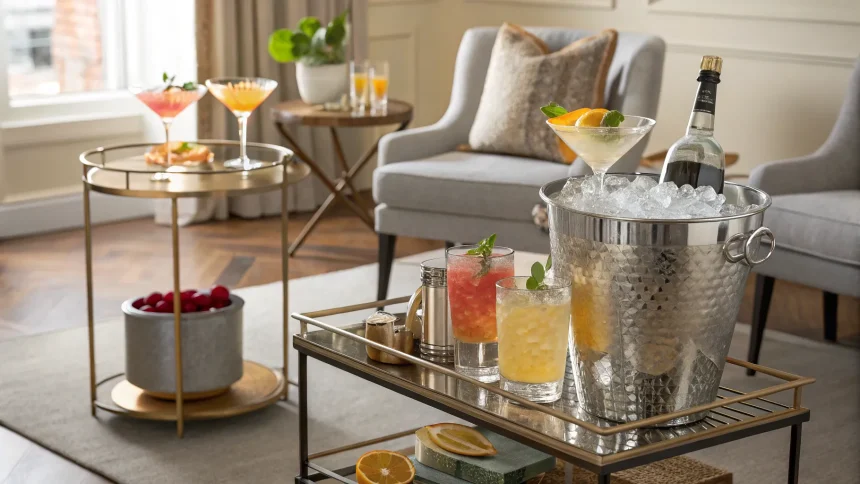
With to-go drinks and extra time at home, many people learned basic techniques. Sales of shakers, jiggers, and bar spoons rose alongside demand for quality ice and fresh citrus. Recipe videos and virtual tastings multiplied. The household bar cart turned into a small project.
Consumers became more confident about mixing classic drinks. They compared takeout versions with their own experiments, and often bought bottles they first sampled from a restaurant special. That fed interest in spirits like tequila, rye whiskey, and amaro.
The Legal Patchwork And Its Stakes
The policy map remains uneven. Some states adopted temporary allowances that were extended. Others moved to make them permanent, with guardrails like sealed containers, ID checks, and limits on delivery or quantity.
Supporters argue the rules keep hospitality jobs alive and meet consumer demand. Critics worry about impaired driving, underage access, and enforcement. Safety provisions—tamper-proof seals, clear labeling, and training—have become standard in many places.
- Common rules include sealed containers and age verification at pickup or delivery.
- Many programs exclude open containers in cars to avoid violations.
- Local jurisdictions layer in permits and packaging requirements.
Winners, Losers, And The New Normal
Restaurants gained a higher-margin product at a time food-only orders were not enough. Bartenders designed house cocktails that travel well, using sturdier citrus blends, bottled mixers, and spirit-forward recipes. Packaging became part of the brand.
Distributors and distilleries benefited when customers ordered featured spirits and then purchased full bottles. Meanwhile, some neighborhood bars without strong takeout systems struggled to match larger competitors with delivery partnerships and marketing budgets.
There is also a cultural shift. People now treat cocktails like they treat pizza or sushi: a thing you can bring home without ceremony. That normalizes premium pricing for a well-made drink and keeps interest high even as bar seating returns.
What The Trend Signals Next
Several forces will shape what comes next. State legislatures will decide whether temporary allowances expire or become permanent. Insurance and liability rules will adapt to delivery and pickup models. Technology will try to make ID checks smoother without encouraging misuse.
For consumers, choice is expanding. Expect more ready-to-serve options from restaurants and more house-branded mixers designed for easy assembly. Expect menus that list both in-house and takeout versions, priced to reflect packaging and portion size.
For bars, the message is simple: the at-home cocktail habit is here, but loyalty can be won. Quality, consistent packaging, and smart delivery windows matter. Education helps, too. A short card that explains dilution and ice can turn a good drink into a repeat order.
The bottom line is clear. The home bar took center stage, and rules that began as emergency fixes helped it along. If states keep allowing carryout cocktails, the industry may settle into a hybrid model that blends barroom craft with living room comfort. Watch for legislative moves and smart packaging ideas as the next round in this evolving happy hour.