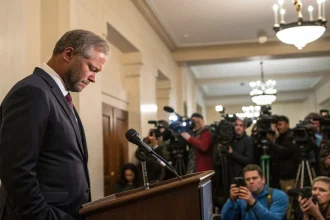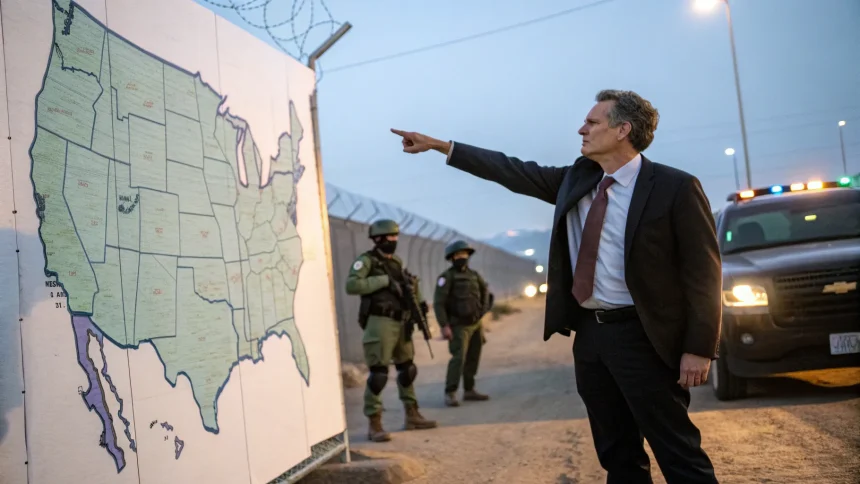
A right-wing pundit blamed an armed man for a violent encounter near the U.S. border, saying the man sought to provoke federal agents and paid the price. The comments arrived amid rising tension over border enforcement and public debate on when agents can use force. The incident’s details were not made clear, but the pundit’s remarks fed a wider fight over responsibility, risk, and restraint along the border.
What Was Said
The pundit argued that the man arrived intending to confront agents and put them in danger. The statement framed the man as the aggressor and presented the outcome as inevitable.
“He was there with a loaded gun looking to cause trouble for the Border Patrol agents, and that trouble came back on him,” the right-wing pundit said.
The phrasing suggested a direct line between the alleged actions and the result. It also implied that agents responded within reason to an armed threat.
Why It Matters
Border security has become a daily flashpoint. Agents patrol large, remote areas. Encounters can turn tense in seconds. Public trust depends on accurate information, fair reviews, and clear policies.
Commentary like this often lands before full facts are known. That can shape early public opinion and color later reports. It can also harden political lines, making consensus on policy harder to reach.
Legal and Policy Context
Federal guidance lets agents use force if they face an immediate threat. A visible firearm can change the risk calculus on the ground. But every case hinges on what agents knew at the time and how fast events unfolded.
Independent reviews usually follow serious uses of force. Those reviews weigh evidence such as body camera footage, officer statements, and witness accounts. They also test whether agents followed training and policy.
- Presence of a weapon may raise the threat level.
- Verbal orders and de-escalation are preferred when safe.
- Proportional force depends on timing and distance.
- After-action reviews assess decision-making under stress.
Competing Views
Supporters of strong enforcement often argue that agents face real dangers and must act quickly. They say armed confrontations leave little room for error and that hesitation can be deadly.
Civil liberties advocates urge caution in the rush to judgment. They stress due process, the need for verified facts, and transparency. They also raise concerns about bias when early narratives label someone as the instigator before investigations conclude.
Local communities along the border feel the strain from both safety fears and political heat. Many want both firm security and fair treatment, with better communication from authorities.
Rhetoric and Risk
The pundit’s comment fit a pattern in which early narratives frame a person as the cause of their own harm. That framing can sway public opinion before evidence is tested.
Such language can also influence policymakers and juries by setting a tone. Careful reporting and official updates help counter rumors and premature claims.
What to Watch
Key questions remain. What did agents see and hear? Was the gun brandished or simply present? Were clear commands given? Is there video? Answers to these questions will matter far more than early hot takes.
Expect calls for the release of any available footage, a formal review of the response, and renewed debate over training, de-escalation, and accountability. Officials will likely push for patience while investigators work.
The pundit’s charge points to a larger truth: words can race ahead of facts. The responsible path now is clear. Wait for verified details, test them against policy, and judge the case on evidence, not spin.