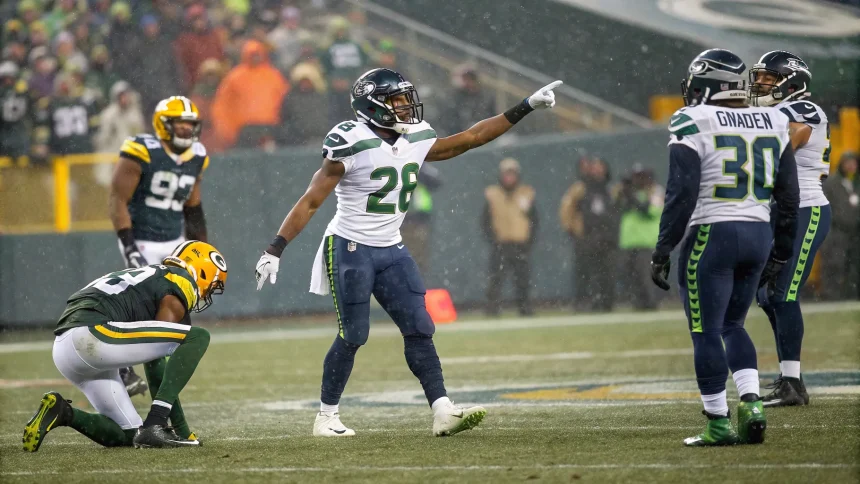
A third-quarter taunting penalty on cornerback Riq Woolen swung momentum and nearly knocked the Seattle Seahawks out of Super Bowl contention. The flag arrived at a critical point, gave their opponent fresh life, and turned a tight game into a test of poise and discipline. Seattle survived, but the moment cast a harsh light on decision-making under pressure.
Background On The Costly Moment
Woolen, a second-year corner known for length and speed, drew a 15-yard unsportsmanlike conduct penalty after a stop. The infraction extended the drive, shifted field position, and tightened the margin for error. In high-stakes football, that is often enough to change the outcome.
“Riq Woolen’s ill-advised taunting penalty in the third quarter nearly foiled the Seattle Seahawks’ bid to qualify for the Super Bowl.”
The call landed during a stretch when Seattle’s defense had begun to settle in. Instead of forcing a punt, the Seahawks had to defend extra downs, and energy in the stadium flipped.
Why The NFL’s Taunting Rule Matters So Much
The league renewed its emphasis on taunting in 2021, instructing officials to flag demonstrative gestures and baiting. The penalty is 15 yards, often a drive-changer.
Coaches preach it every week: save the swagger for the sideline. In January, that advice matters even more. Field position and clock control decide championships.
- Taunting is a 15-yard unsportsmanlike foul.
- It can turn a stop into an extended drive.
- Repeat offenses risk ejections and fines.
The league has seen this movie before. In 2021, a taunting flag on Chicago’s Cassius Marsh against the Steelers extended a key drive and ignited debate across the sport. The message since then has been simple: do not give officials a choice.
Woolen’s Season And His Value To Seattle
Woolen has been a bright spot in the secondary since his breakout rookie year. His length disrupts throws. His range erases mistakes. He often shadows top targets.
That is why the flag stung. He is usually the steady one on the boundary. One lapse does not define a player, but it can define a playoff game.
Teammates and coaches have praised his growth as a technician and communicator. They also stress composure. Postseason football asks cornerbacks to play on the edge without stepping over it.
Inside The Momentum Swing
Momentum is not a stat, but everyone feels it. The defense had stacked stops. The crowd was loud. Then the flag hit, and everything paused.
Penalties like this ripple through a team. Defensive linemen must rush again. Safeties have to cover deeper snaps. Offensive players stay on the bench longer and cool off.
Seattle responded by tightening coverage and tackling cleanly. That resilience kept the season alive. The margin, though, was razor thin.
What The Penalty Says About Playoff Football
Championship games magnify details. A single penalty can match the impact of a sack or takeaway. Coaches script for matchups, but they cannot scheme away a free 15 yards.
Discipline is part of talent. Teams that reach February usually pair stars with self-control. That combination shows up most on third downs and after-the-whistle moments.
What Comes Next For Seattle
Seattle’s path forward is clear. Clean up the self-inflicted wounds. Lean on a secondary led by Woolen, but keep emotions in check.
Expect a week of reminders in meetings and on the practice field. Hand the ball to the official. Celebrate with teammates, not over opponents. Walk away from jawing.
The Seahawks have playmakers and a defense built to hang with anyone. If they cut the freebies, they give themselves the best shot at the sport’s biggest stage.
Seattle escaped this time. The lesson is simple and not new: do not beat yourself. Woolen’s penalty nearly did. The next round will not be as forgiving.