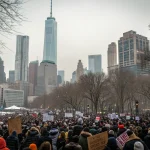
A federal agent fatally shot 37-year-old nurse Alex Pretti in Minneapolis on Saturday, prompting calls for answers and a formal review of the shooting. Authorities have not released details about the circumstances, the agency involved, or whether video exists. The death has sparked concern in a city still grappling with trust in law enforcement and the process that follows a deadly encounter.
Officials have not publicly identified the agent or explained what led up to the shooting. As the investigation begins, community members and advocates are pressing for transparency and a clear timeline for the release of facts.
What We Know So Far
Pretti, 37, was a nurse who lived and worked in Minneapolis, according to people familiar with the case. The shooting occurred Saturday within city limits. Authorities confirmed that the shooter was a federal agent, but the specific agency has not been named.
Key questions remain unanswered, including whether the agent was on duty, whether Pretti was armed, and whether body-worn or dashboard cameras captured the incident. It is not yet known if any bystanders recorded video.
- Victim: Alex Pretti, 37, a nurse.
- Location: Minneapolis.
- Date: Saturday.
- Shooter: A federal agent, agency not yet disclosed.
Background and Context
Deadly force incidents involving law enforcement commonly trigger multiple layers of review. In Minnesota, the Bureau of Criminal Apprehension (BCA) often investigates officer-involved shootings. Federal agencies may also conduct internal reviews, and local prosecutors or the state attorney general decide on criminal charges when warranted.
Nationally, databases tracking police shootings report roughly 1,000 fatal incidents per year across the United States. Cases involving federal agents are less frequent and can be complex because they bridge state, local, and federal jurisdictions. Minneapolis, still rebuilding public trust after high-profile police cases in recent years, often faces intense scrutiny with any deadly law enforcement action.
Families of those killed by law enforcement typically seek rapid disclosure of key facts. Those include the names of the officers, any videos, and the timeline of events. Advocates argue that timely release of information can reduce speculation and help the public evaluate whether force was justified.
Community Response and Calls for Transparency
News of Pretti’s death spread quickly, raising alarms among residents and colleagues in the healthcare community. Friends described Pretti as a nurse committed to patient care and safety, though public statements remain limited as people await official information.
Civic groups are asking investigators to disclose the agency involved, release any video, and publish a preliminary account of the incident. They also want a clear explanation of who is leading the investigation and how long it will take.
Officials have not shared a narrative of the events that led to the shooting.
Faith leaders and neighborhood organizations often play a role in easing tensions during such investigations. They frequently organize listening sessions, encourage peaceful gatherings, and invite authorities to share updates in public forums.
Oversight, Accountability, and Next Steps
Standard practice in Minnesota is for the BCA to secure the scene, interview witnesses, and conduct forensic reviews after a law enforcement shooting. If a federal agent was involved, the agent’s home agency would likely launch an internal inquiry as well. The county attorney or state attorney general typically reviews the case for possible charges once investigators complete their work.
Experts say several issues will shape the outcome. These include whether the agent reasonably feared an imminent threat, whether de-escalation was attempted, and what training or policies governed the agent’s actions at the time. Any available video, ballistic evidence, and witness testimony will be central.
Advocates for reform often push for independent oversight and swift public reporting. They argue that clear timelines for disclosure can help maintain credibility. Many also call for public release of policy manuals, use-of-force guidelines, and data on prior incidents.
What to Watch
Several developments will determine the direction of this case:
- Identification of the federal agency and the agent involved.
- Confirmation of any body camera, dash camera, or other video footage.
- Timeline from investigators for initial and final findings.
- Decisions by prosecutors on potential charges.
- Public engagement, including community meetings and official briefings.
As the investigation unfolds, the central questions remain: what led to the encounter, why deadly force was used, and whether the actions fit policy and law. The case of Alex Pretti will likely test ongoing efforts to rebuild trust between residents and law enforcement. Clear communication from investigators and timely release of evidence could shape public confidence in whatever comes next.