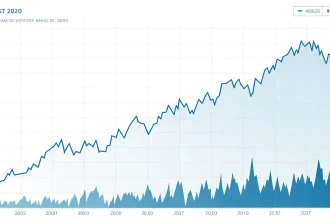
As stock indexes hit fresh highs, a central question is gaining urgency: Is the artificial intelligence boom a bubble, and what happens if it pops?
Economists and market watchers are split, but many are probing new ways to spot overheating. A recent program framed the stakes bluntly: trillions in market value could be at risk. It also asked how worried the public should be, from retirement savers to households facing higher utility costs from power-hungry data centers.
How Experts Try to Spot Bubbles
Bubbles are hard to identify in real time. Prices can stay elevated for long periods without breaking. Still, researchers say there are signs that deserve attention.
- Very fast price gains in a narrow group of stocks.
- Valuations that outrun earnings and cash flow.
- Heavy investment in a single theme, such as AI data centers.
- Public enthusiasm that leaps ahead of practical adoption.
One episode framed the concern this way:
“Are we in an AI bubble? That’s the $35 trillion dollar question right now as the stock market soars higher and higher.”
Some economists argue markets are efficient, and prices reflect available information. Others say psychology matters, and collective excitement can push prices far above fair value. The debate between Nobel laureates Eugene Fama and Robert Shiller, featured in related programming, captures that divide. Fama is skeptical that bubbles can be pinpointed with confidence. Shiller has long warned that narratives and “irrational exuberance” can drive booms and busts.
Lessons From Past Booms
History offers guideposts. The late-1990s internet surge showed how a powerful technology can lift markets and then correct sharply. Some companies failed, while others later justified early optimism. Housing in the mid-2000s followed a similar arc, with easy credit fueling prices until borrowers could no longer keep up.
The current AI cycle shares features with those periods: intense hype, big capital spending, and rising stock concentration. But there are differences. AI is already embedded in search, coding tools, and customer service. That may support earnings faster than prior waves did.
Economic Stakes Extend Past Wall Street
The boom is not just about stock charts. It is reshaping industrial spending and the power system. New AI data centers draw massive electricity loads. One related discussion examined what those facilities are doing to household electric bills.
Utilities in several regions are planning new generation and grid upgrades to meet data demand. Those costs can filter into rates. Households and small businesses may feel the effects before the full benefits of AI reach them.
How Worried Should Society Be?
Risk tolerance varies. Long-term investors with diversified portfolios can ride out swings. Workers in sectors linked to AI may see new jobs and higher wages. Yet, a sharp reversal would hit retirement accounts, state pensions, and tax revenues.
Policy makers face trade-offs. Curbing speculation is hard without choking off useful investment. Better disclosure, stress testing at lenders, and careful oversight of energy planning can reduce spillovers if markets turn.
What Could Signal Trouble—or Staying Power
Several indicators to watch:
- Corporate earnings growth in AI-linked firms versus price gains.
- Supply chain strain in chips, power equipment, and construction.
- Household exposure through index funds and retirement plans.
- Electricity demand forecasts and rate cases tied to data centers.
One episode asked a second key question:
“How much should society be worried about bubbles in the first place?”
The answer depends on whether today’s investment leads to lasting productivity. If AI tools improve output across many industries, valuations may hold. If adoption stalls, the gap between stories and cash flow could close fast.
The debate is far from settled. For now, markets are climbing and the AI theme is drawing record attention. Investors, regulators, and utilities face a shared test: match bold plans with measurable results. Watch earnings, power buildouts, and household bills. These will show whether this surge has staying power or if another costly comedown lies ahead.