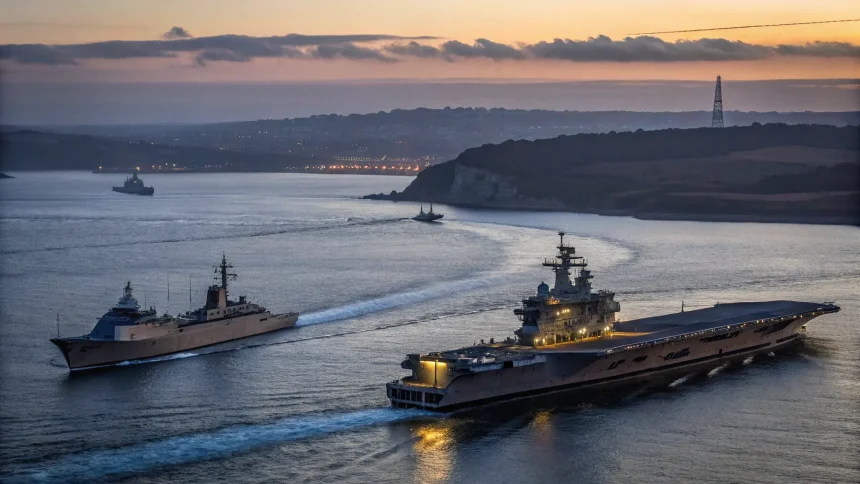
French naval forces used United Kingdom intelligence to raid a sanctioned vessel, marking a rare public glimpse into cross-channel security teamwork. The action highlights growing pressure on European partners to enforce trade and financial penalties at sea. It also raises fresh questions about how far allies will go to block sanction evasion in contested waters.
The incident points to deeper cooperation between London and Paris on maritime surveillance and interdiction. It suggests that enforcement is moving from paperwork and port checks to targeted operations at sea. The goal is to deny access to banned cargo, money, and services.
What Happened
UK intelligence was used by French navy to raid sanctioned vessel
The brief statement signals a joint effort. British sources appear to have guided French forces to a specific target. The French navy carried out the boarding and search. No timing, location, or flag state were disclosed in the statement.
Sanctioned vessels can include ships owned, controlled, or chartered by entities on sanctions lists, or vessels suspected of moving restricted goods. Maritime raids usually follow intelligence checks on ownership, cargo, routing, and communications.
Why It Matters
Sanctions enforcement at sea is hard. Ships change names, flags, routes, and managers. They can spoof locations or transfer cargo mid-ocean. That is why intelligence matters more than routine inspections.
When one state supplies targeting data and another conducts a boarding, it shows trust and shared priorities. It also spreads costs and risks. Such cooperation can deter networks that profit from sanction evasion.
Background and Context
European states have ramped up sanctions checks since recent geopolitical crises and energy shocks. Shipping has been a focus due to its role in moving oil, metals, and dual-use goods. Authorities have issued warnings on deceptive shipping practices.
France maintains a large naval presence with jurisdiction in the Atlantic, Mediterranean, and overseas territories. The UK runs extensive maritime intelligence capabilities, including satellite tracking and financial analysis tied to shipping insurance and brokerage. Joint action blends these strengths.
- Sanctions can target owners, cargo types, or services like insurance and finance.
- Enforcement tools include port denials, seizures, fines, and at-sea boardings.
- Risk indicators include AIS gaps, unusual routing, and opaque ownership chains.
Legal and Diplomatic Stakes
Raiding a ship carries legal and diplomatic risks. Boardings rely on national law, international law, and the consent or obligations tied to the vessel’s flag. In some cases, sanctions give states jurisdiction when banned goods or listed entities are involved.
If the raid confirms a violation, authorities can seize cargo, detain the ship, or levy penalties. If it does not, the ship must be released. Either outcome faces scrutiny from shipowners, insurers, and trading partners.
Joint operations may also test political ties. They require information sharing, secure communications, and quick legal review. Missteps could prompt claims or disputes.
Industry Impact and Signals to Markets
For shipowners and traders, the message is clear. Authorities are not only watching ports. They are also targeting vessels at sea with actionable intelligence. That raises compliance stakes across the supply chain.
Insurers and financiers will likely demand tighter due diligence on cargo origins, counterparties, and vessel histories. Brokers may avoid higher-risk fleets and routes. Charterers could shift to ships with transparent ownership and clean compliance records.
Port states may also increase inspections when ships arrive from high-risk zones. This could slow turnarounds and add costs. But it can also level the field for compliant firms.
What We Still Do Not Know
Key facts remain undisclosed. Officials did not reveal the cargo, the ownership chain, or the legal basis for the raid. There was no word on any seizures or arrests.
Those details will shape how the case is viewed. A confirmed breach would strengthen deterrence. A clean check could still serve as a warning shot, but it may invite calls for clearer rules.
The Road Ahead
More joint actions are likely if intelligence shows complex evasion tactics. States may publish advisories on high-risk companies, routes, and cargo types. They could also expand sanctions to cover services linked to shipping, such as classification or bunkering.
Companies that trade near restricted sectors should review compliance programs now. That includes screening ownership, tracking vessel behavior, and documenting cargo origins. Clear records can help avoid delays and disputes.
The raid signals a tougher posture at sea. European partners are ready to act on shared intelligence, even when operations are sensitive. Watch for follow-up details on outcomes, legal steps, and whether more ships face similar scrutiny.