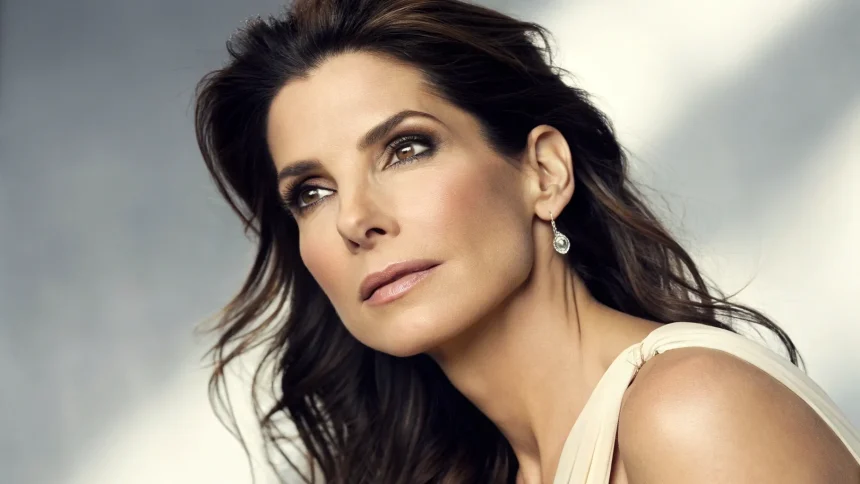
Sandra Bullock’s star power still sells tickets, but the image that helps keep her on top also reflects a tougher story in Hollywood. At issue is how beauty, age, and marketability collide, and why public campaigns urging acceptance have not eased the strain for high-profile women. The tension is playing out in casting rooms, on red carpets, and across social feeds, where praise mixes with quiet demands to look a certain way.
“Sandra Bullock remains beloved, beautiful and bankable. But her aesthetic embodies the kinds of intense cultural pressures no well-meaning hashtag has been able to lessen.”
That sentiment captures a truth many in the industry acknowledge. The standard has shifted, but the pressure has not. Bullock’s career, from “Speed” and “Miss Congeniality” to “The Blind Side” and “Gravity,” shows what happens when talent meets box office clout. It also spotlights how appearance still shapes opportunity.
A Star Who Still Opens Movies
Bullock remains one of a small group of women who can lead a global release on name alone. “Gravity” crossed the $700 million mark worldwide. “The Proposal” and “The Lost City” proved romantic and action comedies can still hit when anchored by a trusted lead. Her work has spanned three decades, an achievement that invites applause and questions about cost.
Casting directors and agents say the math is cold. A lean marketing plan and a familiar face can move an uncertain project to greenlight. That math, they add, often demands an image that reads as ageless. Fans call it discipline. Insiders call it a job requirement.
Beauty Standards Meet Social Movements
Body positivity, no-retouch pledges, and gray-hair pride have reshaped the conversation. Yet Hollywood’s core incentives remain tied to a narrow look. Publicists still manage lighting. Stylists still build armor out of gowns and contour. The red carpet is a high-stakes audit, and social media can feel like an instant performance review.
Advocates point to progress. More women over 40 are securing lead roles in television. Streaming has widened the range of stories. And stars such as Jamie Lee Curtis and Andie MacDowell have pushed for a more relaxed ideal. But film financing, especially for theatricals, still leans on conventional beauty math.
Aging and Work in the Spotlight
Researchers at the USC Annenberg Inclusion Initiative and the Geena Davis Institute have tracked a consistent pattern: older women remain underrepresented on screen. The gap grows in major studio features. While methodologies differ, the trendline is clear enough for agents and actors to plan around it.
Actresses describe a two-front battle. The first is getting scripts that treat age as texture, not plot. The second is keeping the camera’s gaze from turning them into a before-and-after project. The stakes rise for top-tier stars, who carry entire marketing cycles on their faces.
The Economics of “Bankable” Beauty
Studios calibrate risk with image. A youthful gloss signals safety to certain buyers. For women, that often means more prep time, more expense, and more scrutiny. The irony is hard to miss. The same artistry that makes a role believable can be overshadowed by chatter about skin, angles, and filters.
- Beauty expectations can influence casting and budget approvals.
- Marketing materials often set tight visual rules for female leads.
- Social media amplifies both praise and criticism, at scale and speed.
What Could Shift the Incentives
There are signs the market is ready for variety. Mid-budget titles centered on complex women have found loyal audiences, especially on streaming. International markets are broadening tastes. When those wins stack up, they nudge gatekeepers to rethink outdated rules.
Practical steps are emerging. Some platforms commit to unretouched campaign images. Costume and makeup teams push for lighting that flatters rather than hides. And a few producers tie bonuses to inclusive hiring, which can feed a richer pipeline of stories and faces.
Bullock’s appeal shows the ceiling is not fixed, but the pressure points are real. The goal, as many insiders frame it, is simple: let skill lead and let appearance support. The next test will come with financing choices that back that idea at scale. Watch for who gets the next round of greenlights, how those films are sold, and whether the camera softens its stare. If money moves, the standard will follow—and the hashtags might finally have real help.