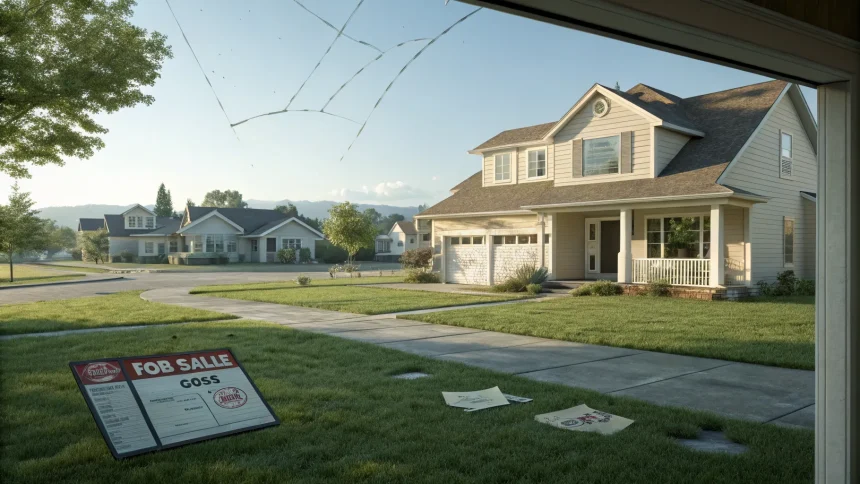
As bidding wars cool in some markets, a quieter deal-breaker is rising: homeowners insurance. Buyers across the U.S. are discovering that a dream home can carry hidden insurance risks that make coverage hard to get — or painfully pricey.
Personal finance columnist Liz Weston of NerdWallet flagged the issue in a recent discussion, noting that buyers often wait until closing week to learn the bad news. The result can be last-minute policy scrambles, surprise costs, and even failed sales. The stakes are highest in regions hit by wildfire, hurricanes, hail, and flooding, but underwriting is tightening far beyond the coast.
“When house hunting, the price of homeowners insurance probably isn’t top of mind. But homes with hidden risks can make getting coverage difficult, expensive or both. Learning how to identify them could save you a bundle.”
Why Insurance Is Upending Home Sales
Years of severe storms, wildfire seasons, and rising rebuilding costs have pushed insurers to rethink their exposure. Several major carriers have paused new business in parts of California, Florida, and Louisiana. Others have raised rates or tightened rules for roofs, wiring, and proximity to fire hazards.
Industry groups report more nonrenewals and stricter underwriting nationwide. Lenders require proof of insurance to close, so any coverage hiccup can stall a mortgage. That is pushing buyers to ask insurance questions much earlier in the process.
Common Red Flags That Spike Premiums
Some risks are obvious, like a home next to brushy open space or within storm surge zones. Others hide in inspection reports or on the back deck. Agents and inspectors say these are frequent trouble spots:
- Old roofs, especially older asphalt shingles without recent upgrades.
- Outdated electrical systems, including knob-and-tube or certain aluminum wiring.
- Problem plumbing like polybutylene pipes and old water heaters.
- Trampolines, diving boards, unfenced pools, and wood-burning stoves.
- Distance from a fire hydrant or station, and steep private roads.
- Prior claims tied to the property, such as water damage or liability incidents.
One insurer may refuse a home with a 20-year-old roof, while another might accept it with a higher deductible. Buyers who shop early tend to find better options.
What Buyers Can Do Before They Bid
Weston urged shoppers to treat insurance like a key part of the budget, not an afterthought. That means pulling quotes while touring, not after inspection. It also means checking hazard maps and fire resources before offering.
Smart steps that help avoid sticker shock include:
- Ask the selling agent for the roof age and any recent permits.
- Request a paid claims history report if available from the seller.
- Price coverage with at least two independent agencies and one direct carrier.
- Get quotes for different deductibles and for actual cash value vs. replacement cost on roofs.
- Confirm coverage for wind, hail, wildfire, and sewer backup, which can be limited or excluded.
Some states offer mitigation credits for roof tie-downs, storm shutters, defensible space, or water leak sensors. These can cut costs and make a borderline home insurable.
How Sellers and Agents Are Adapting
Listing agents in high-risk ZIP codes are now packaging home details for insurers. Roof receipts, wind mitigation forms, and wildfire hardening checklists help buyers secure quotes fast. Sellers are also tackling quick fixes — like installing railings, fencing a pool, or updating smoke and CO alarms — to calm insurer concerns.
In tighter markets, some sellers pay for a year of coverage or offer credits to offset higher premiums. That can keep contracts together when a buyer’s preferred carrier declines the risk.
The Bigger Picture: Tight Supply Meets Higher Risk
Insurance pressure is creeping into home values. Appraisers and agents say buyers discount homes that require specialty coverage or state-backed insurers of last resort. In some areas, older homes with tired roofs sit longer and attract fewer offers.
Consumer advocates warn that limited competition can raise prices and narrow coverage. State regulators are weighing rate requests and pushing for mitigation incentives that reduce losses over time. Insurers say they need pricing that matches risk, especially with more extreme weather and higher construction costs.
What To Watch Next
More carriers are rolling out granular pricing based on roof condition, fire risk scores, and water sensors. Bundling auto and home still helps, but it is no cure-all. Buyers who plan upgrades — new roofs, electrical work, or wildfire hardening — should ask insurers to re-rate policies after improvements.
Weston’s bottom line is simple and timely. Insurance can make or break a deal, so test the waters early. A quick quote during house tours may save weeks of stress — and thousands of dollars.
For now, the safest path is clear: treat insurance like a core cost, budget for it upfront, and use mitigation to bend the price back down. If the market calms and more carriers return, buyers who prepared will still be glad they did.