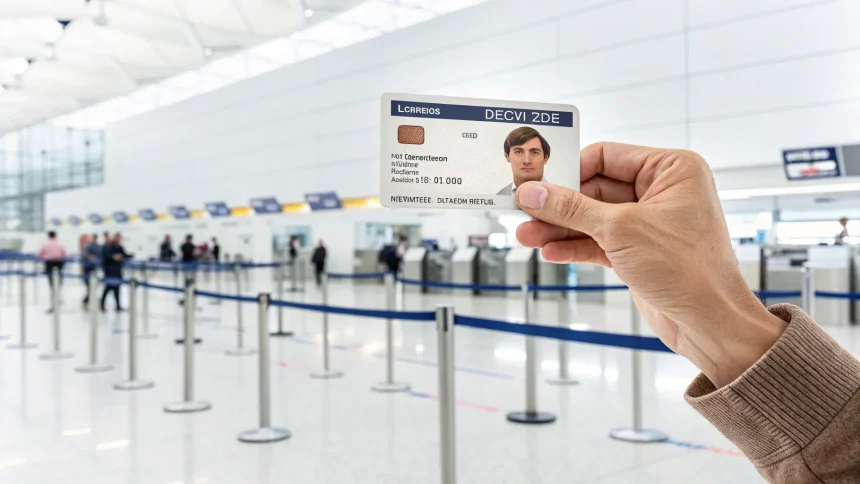
U.S. air travelers face a firm deadline to carry REAL ID-compliant identification, while the Transportation Security Administration plans a new fee that could show up on tickets later this year. The shift affects millions who fly domestically and will shape airport routines ahead of the busy summer and holiday periods.
The federal enforcement date for REAL ID at airport checkpoints is set for May 7, 2025. After that, adults will need a REAL ID-compliant driver’s license or another acceptable form of identification to pass security for domestic flights. At the same time, TSA has signaled changes to its fee structure, which funds aviation security operations. Details are still being finalized, but the agency says travelers should expect adjustments on future itineraries.
“Travelers need to have REAL ID at U.S. airports as TSA prepares to implement a new fee.”
What’s Changing and When
REAL ID has been in the works since Congress passed the law in 2005 to tighten identification standards. States have upgraded their systems and now issue licenses marked with a star or other state-specific indicator. The Department of Homeland Security previously extended the airport enforcement date several times. Officials now say the May 2025 deadline is firm to give states and residents the time to finish enrollment.
TSA’s planned fee move is expected to appear in the passenger security charges collected with airline tickets. Those charges support screening operations, technology, and staffing. While the exact timeline and amounts are not yet public, airlines and travel groups are preparing customers for potential increases on itineraries later this year.
What Travelers Need to Fly
After the enforcement date, acceptable ID at airport checkpoints will include a REAL ID-compliant driver’s license or identification card. A U.S. passport, passport card, DHS trusted traveler card, or certain military IDs will also work. Children under 18 can still travel with an adult who has proper ID.
For those planning to get a REAL ID-compliant license, states generally require in-person visits and original documents. While costs vary, the paperwork is similar across the country.
- Proof of identity: U.S. passport or certified birth certificate
- Proof of Social Security number: Social Security card or W-2
- Two proofs of residency: Utility bill, lease, or bank statement
- Name change documents if applicable: Marriage certificate or court order
Appointments at motor vehicle offices can fill quickly, so officials advise booking early and bringing originals or certified copies. Photocopies usually are not accepted.
Why It Matters
The ID shift will touch frequent flyers and occasional travelers alike. Airports saw confusion during past document changes, and airlines hope early messaging will reduce day-of-travel snags. If past program updates are any guide, lines grow longer when deadlines hit and travelers arrive without the right paperwork.
Advocates for the change argue the stricter standards reduce identity fraud and keep screening lanes moving. Critics worry about costs for low-income residents and potential delays if states face backlogs. Some civil liberties groups say federal ID standards raise privacy questions, though supporters note states have added data safeguards since the law passed.
The Fee Question
Security fees are a small piece of the total price of a plane ticket, but they add up across millions of trips. Airlines pass the fees along and remit them to the government. Travel industry analysts say even a modest increase, paired with higher summer fares, could pinch price-sensitive travelers.
Budget experts counter that steady funding is needed to keep modern scanners running and checkpoints staffed, especially as passenger volumes rebound. The TSA is also fielding new screening technology and expanding PreCheck lanes at busy hubs, both of which depend on reliable revenue.
What To Do Now
Travelers who already hold a U.S. passport may not need a REAL ID license for flying, but it is still useful for domestic trips if the passport is at home. Those who plan to apply should check their state motor vehicle website for specific fees and document lists. Some states allow partial online pre-enrollment to speed office visits.
For flights booked later this year, watch the “taxes and fees” section at checkout for any updates to security charges. If costs shift, that is likely where it will appear first.
The bottom line: the REAL ID clock is ticking, and a fee change is on the horizon. Getting the right ID now can prevent airport headaches next spring. Travelers should monitor airline receipts for fee updates and confirm state requirements before heading to the DMV. As the deadline nears, expect louder reminders from states, airlines, and TSA—and heavier appointment calendars for those who wait.