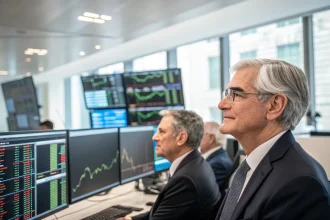
Market data this week pointed to an unusual surge in activity in March 10-year Treasury options, signaling renewed interest in interest-rate bets as investors assess the path for yields.
The buying built over the past week, according to traders, and arrives as markets weigh upcoming economic data and policy signals. The move centers on the popular 10-year maturity, a benchmark for mortgages, corporate borrowing, and global asset pricing. While the exact strike mix is unclear, the scale of interest suggests investors are preparing for volatility into spring.
Data released this week confirmed heavy buying in one March 10-year options contract over the past week
What the Buying Signals
Strong demand for 10-year options can reflect several motives. Some investors may be hedging portfolios against rate swings. Others could be positioning for a directional move in yields.
Without details on whether call or put contracts led the flow, the intent remains open. Calls often indicate a view that yields could rise. Puts can point to expectations for lower yields. Dealers say the concentration in a single March line suggests a focused strategy tied to an event window.
Background on Treasury Options and Positioning
Options on Treasury futures allow investors to control interest-rate exposure with limited upfront cost. They are common tools for asset managers, hedge funds, and banks. March expirations often see heavier activity as funds reset hedges for the quarter and react to early-year data.
The 10-year note is the most watched point on the curve. It influences consumer loans, bond issuance, and equity valuations. Shifts in positioning here can ripple across markets. When activity concentrates in one contract, it can affect dealer hedging and intraday volatility.
Options flows have grown more important since rate volatility picked up over the past two years. Inflation surprises, shifting policy guidance, and large Treasury auctions have made hedging more frequent.
Possible Drivers and Market Context
Several near-term catalysts could explain the timing. Traders point to scheduled data and policy updates that often reshape rate expectations.
- Inflation reports that could alter the outlook for cuts or hikes.
- Federal Reserve communications that guide the policy path.
- Jobs data that tests the strength of demand and wages.
- Large Treasury auctions that affect supply and term premium.
If participants fear stronger inflation, they may seek protection against higher yields. If they expect softer growth, they may hedge against a rally in Treasurys. Either way, concentrated buying can amplify moves as dealers adjust hedges in futures and cash bonds.
Implications for Investors and Policy Watchers
Heavy options activity is often an early sign of stress or confidence. It tells policy watchers that markets are sensitive to near-term data. It also reminds investors that pricing for rate cuts or hikes can shift quickly.
For bond funds, the activity may suggest it is time to review duration risk and hedge levels. For equity investors, rate volatility can sway valuations, especially in rate-sensitive sectors. Credit markets also react as funding costs change.
Dealers caution that concentrated flows can create temporary price distortions. That can produce sharp intraday swings around headlines and releases.
What to Watch Next
Attention turns to the next round of inflation and jobs data, along with any shifts in central bank messaging. Traders will watch whether the options interest broadens to other maturities or strikes.
Key questions remain. Does the flow reflect hedging by long-duration investors, or outright bets by macro funds? Will dealers’ hedging amplify yield moves if data surprises?
For now, the message is clear. Market participants are paying for protection or exposure in the 10-year into March, preparing for bigger swings in rates as winter turns to spring. The answer will emerge as data hits and positions roll.
The coming weeks will test whether this wave of buying was early caution or a timely call. Either outcome will shape borrowing costs, portfolio risk, and the tone of markets into the second quarter.