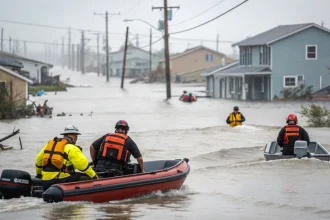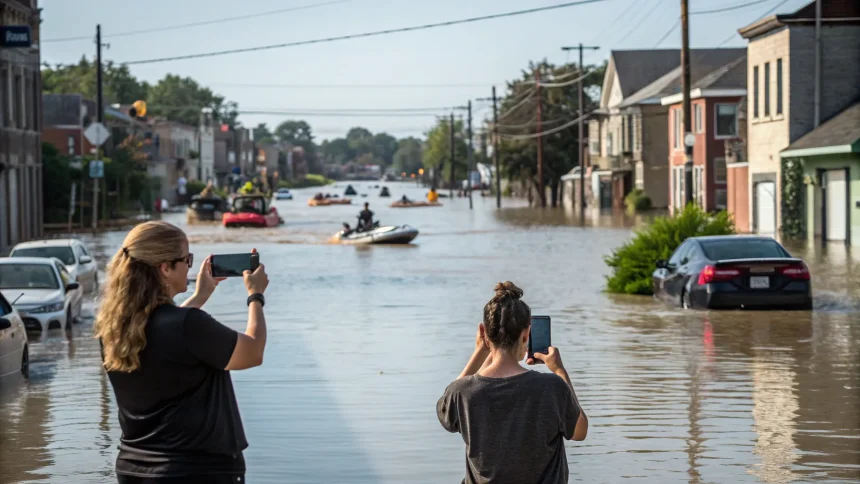
After flash flooding swamped parts of Lafayette, local and state officials are urging residents and business owners to log their losses on a state website to speed help. The appeal, issued this week, asks those with damaged homes or workplaces to submit details at damage.la.gov. The information helps authorities gauge the scale of need and unlock recovery resources.
The push comes as crews clear debris and assess soaked neighborhoods. Officials say quick, accurate reports can shape the next phase of aid, from emergency repairs to long-term grants.
Why Self-Reports Matter
Damage reports guide decisions on aid. They help local leaders document how many households and businesses were hit, and how hard. That record can influence state support and federal relief requests.
Without enough documented damage, a community risks falling short of thresholds for certain programs. Officials say self-reporting does not replace an insurance claim or an inspection. It helps paint a timely picture of the need.
If your Lafayette home or business was damaged by recent flash flooding, report it now at https://damage.la.gov to help speed up recovery efforts.
The message is simple. The faster residents report, the faster agencies can plan debris removal, temporary housing, and rebuilding help.
What Residents Should Do
Residents can complete the online form through a computer or smartphone. It asks for basic contact information, the type of damage, location, and photos if available.
- Document visible damage with clear photos and short descriptions.
- Save receipts for repairs, cleanup, and temporary housing.
- File insurance claims as soon as possible, in addition to the state report.
- Stay safe: avoid standing water, downed lines, and mold exposure.
Submitting a report does not guarantee individual aid, but it helps authorities size up the disaster and make the case for assistance.
Impact on Aid and Recovery
Local leaders use aggregated reports to plan services and staffing. Public works teams need to know where damage is concentrated to set routes for debris pickup. Health officials watch for mold risks and water contamination.
At the state level, the data can support requests for emergency declarations. It can also shape outreach to federal agencies for programs that help with housing, infrastructure, and small business recovery.
Small businesses are urged to report even if they reopened quickly. A broken cooler, ruined inventory, or damaged flooring adds up. Those figures matter when officials tally economic losses and consider loans or grants.
A Region Prone to Flooding
Lafayette sits in a flood-prone part of south Louisiana, where heavy rain can overwhelm drainage in hours. The area has seen repeated flash floods over the past decade. The 2016 floods across south Louisiana killed 13 people and damaged more than 100,000 homes, according to state and federal counts.
Since then, parishes have upgraded drainage, bought out high-risk properties, and reviewed building rules. Even so, intense rain events continue to test those systems. Warmer air holds more moisture, which can mean heavier downpours.
Officials say personal records of damage are vital in tracking which neighborhoods get hit repeatedly. That data can inform drainage projects, buyouts, and future zoning choices.
What Comes Next
In the coming days, Lafayette crews will continue debris collection and safety checks. Insurers will process claims. Inspectors may visit hard-hit areas. The state will review self-reports and compare them with local assessments.
If damage totals reach certain thresholds, more aid could follow. That might include housing help, repair grants, or loans for businesses. Leaders say the timeline depends on how quickly accurate information arrives.
The message to residents and owners is clear: document losses and file them online now. That one task can shorten the wait for help and sharpen the recovery plan. Keep receipts, take photos, and stay safe during cleanup. Watch for updates from parish and state agencies, and check damage.la.gov for reporting and guidance.
As Lafayette dries out, the reports submitted this week will shape what help arrives next month. The sooner the community speaks up, the sooner recovery can pick up speed.