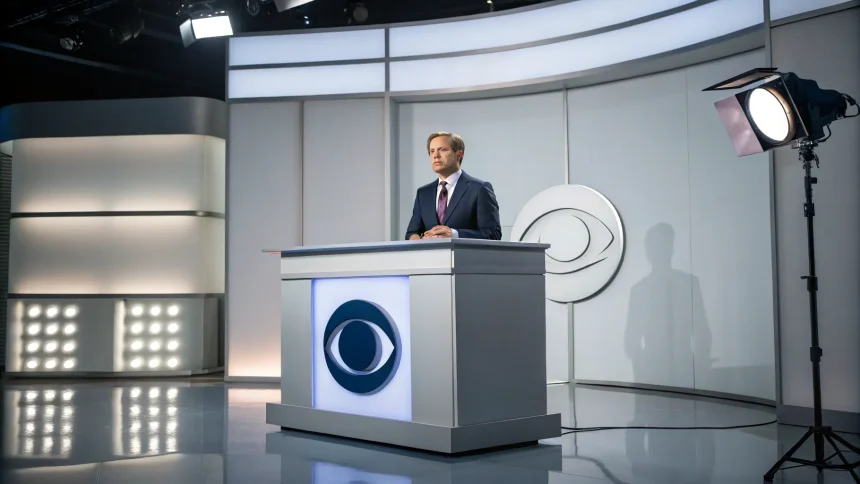
In a striking on-air vow, the new anchor of CBS’s Evening News promised to put viewers before advertisers, politicians, and corporate owners. The pledge came during the anchor’s debut broadcast, signaling a public commitment to editorial independence amid ownership changes at the network. The move aims to restore trust and set a clear standard for how the program will make decisions on stories and tone.
The message addressed growing concerns about pressure in television news. It also offered a direct challenge to common assumptions about how sponsorships and corporate ties shape coverage. The statement raises expectations for transparency and accountability in one of the country’s most-watched news programs.
A Pledge of Independence
“You come first,” the anchor said. “Not advertisers. Not politicians. Not corporate interests — including the new owners of CBS.”
The line was brief, but it carried weight. It put the audience at the center of editorial calls and signaled a guardrail against influence. By naming corporate ownership, the anchor set a firm tone for the newsroom and for viewers wary of backroom pressure.
It is unusual to hear such a direct statement during a broadcast kickoff. Veteran producers say the message can rally staff and set expectations for coverage choices, booking decisions, and story placement.
Why It Matters: Pressure Points in TV News
Television news sits at the crossroads of public service and commercial pressure. Advertising funds the newsroom but can create conflicts when sponsors have stakes in coverage. Political pressures can surface during elections, investigations, or major policy fights. Corporate ownership adds another layer, especially during mergers or leadership changes.
Surveys show trust in media has slipped in recent years. Viewers often question whether financial ties shape how stories are told. The anchor’s pledge speaks to those doubts and tries to reassure regular viewers who want clear lines between business and editorial decisions.
Media historians point to earlier moments when broadcast figures drew bright lines. They note that public trust tends to rise when newsrooms explain their standards and show their work, such as by publishing source materials or correction logs.
Industry Reaction and Viewer Expectations
Newsroom staff often welcome strong public standards because they can back up tough calls under pressure. Producers say a clear policy helps with booking guests, resisting partisan spin, and maintaining consistent framing across segments.
Advertisers, for their part, generally value brand safety. They prefer stable news environments and clear boundaries that prevent conflicts. Industry buyers say transparency about sponsorships can ease tensions and keep ad dollars steady without dictating coverage.
Ownership teams commonly state they support editorial independence. They know that credibility drives viewership and long-term value. Still, critics say statements must be matched with practice. That includes resisting pressure to soften critical reporting on business partners or political allies.
What Comes Next for Evening News
The pledge sets a high bar. To meet it, the program could adopt concrete steps that viewers can see and judge. Those steps would show that the promise is more than a slogan.
- Clear on-air labels for sponsored content and paid segments.
- Published corrections and updates for major stories.
- Regular disclosure of potential conflicts in reporting.
- An independent standards editor or ombuds process for complaints.
- Periodic public reports on editorial practices and outcomes.
Such measures can turn a one-night statement into a durable policy. They also give staff guidance when stories touch advertisers or corporate ties.
Measuring Impact
Viewers will judge the pledge by coverage choices in the weeks ahead. Hard-hitting reporting on companies with ad buys will be a key test. So will fair coverage of political figures across parties.
Ratings, digital engagement, and audience surveys will offer feedback. More important is whether the show earns a reputation for straight reporting and clear corrections when it errs. That is how trust is built over time.
The new anchor’s words set a clear challenge: hold the line for viewers, even when it is uncomfortable. The next phase is execution. Watch for visible transparency, consistent standards, and reporting that does not flinch at powerful interests. If the show delivers, the pledge could help rebuild faith in nightly news and set a model others may follow.