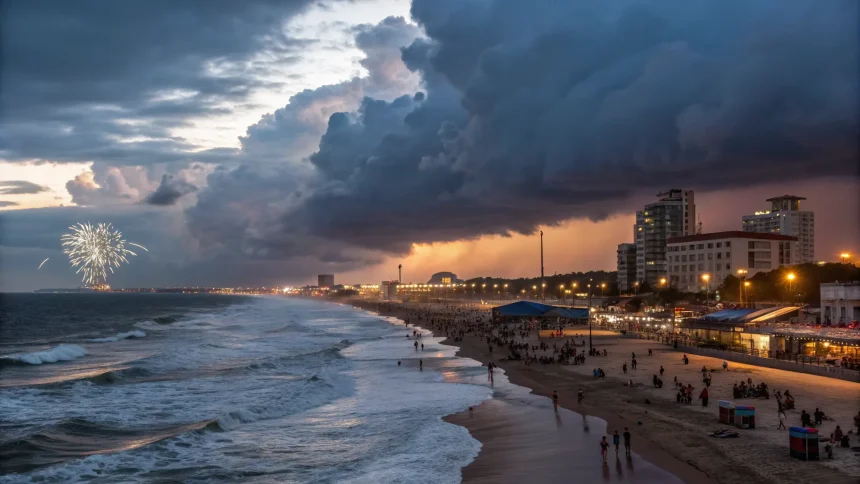
As crowds gather to ring in 2026, forecasters are warning of rough weather on both U.S. coasts Wednesday night, adding a messy twist to one of the year’s biggest public celebrations. The timing could collide with midnight events from Times Square to West Coast fireworks, raising concerns for travel, safety, and power reliability as millions head outside or take to the roads.
City officials, event planners, and utilities have started contingency plans for wind, rain, and slick conditions. While the outlook varies by region, the message is clear: pack patience and waterproof layers with your party hat.
What Forecasters Expect
Meteorologists say a pair of systems will drive the unsettled pattern, one along the East Coast and another in the Pacific storm track. The East could see periods of rain and gusty winds into the late evening, with the strongest conditions near the coast. In the West, a cold front moving inland may bring heavy showers to coastal cities and snow in higher terrain, making mountain passes especially tricky.
“More rough weather is forecast on both coasts when the ball drops on Wednesday night, ringing in 2026.”
Wind is the common threat. Gusts can topple lightweight decorations, strain stage equipment, and complicate fireworks plans. Coastal flooding is also possible at high tide in vulnerable spots, especially where drainage is poor or tides run high this time of year.
Impact on New Year’s Events
Large outdoor gatherings are preparing for slick streets and limited visibility. In New York, organizers commonly reduce confetti load, adjust stage coverings, and monitor wind thresholds for elevated equipment when conditions deteriorate. West Coast cities face their own juggling act, weighing whether to delay fireworks or shift viewing areas if wind picks up.
Public safety officials often scale up staffing during holiday nights. This year, rain gear may be as essential as barricades. First responders say wet conditions increase slip-and-fall calls and can slow ambulance response in dense crowds.
Travel and Power Risks
Wet, windy weather at major hubs can ripple through the airline system. Low clouds, deicing needs, and runway slowdowns tend to intensify around holidays when schedules are tight. Drivers may also face ponding on highways, fog near waterways, and a quick chill after midnight that can turn puddles into black ice in colder pockets.
Utilities are on alert for scattered outages if wind knocks branches onto lines. Crews typically pre-stage equipment near known trouble spots and remind customers to keep flashlights and phone chargers ready. In mountain areas, wet snow can cling to lines and add weight to trees, heightening the risk for brief interruptions.
Why New Year’s Weather Turns Tricky
Late December often brings active storm tracks. On the East Coast, a strong temperature contrast between coastal waters and inland air can turn a routine front into a soaking rain and gusts. On the West Coast, Pacific systems frequently march ashore in waves, delivering heavy precipitation to the coast and snow inland.
Past New Year’s Eves have seen a mix of extremes, from soaking rains that drenched revelers to bitter wind chills that emptied streets early. This year’s setup leans wet and windy rather than frigid for many lower-elevation cities, though mountain passes remain wintery.
How to Navigate the Night
Officials advise simple steps to keep the holiday safe and mostly dry without spoiling the fun.
- Check local forecasts and event updates before leaving home.
- Wear waterproof layers and non-slip shoes; pack a hat and gloves.
- Allow extra time for transit and expect airline delays.
- Avoid standing near temporary structures in strong wind.
- Never drive through flooded streets; turn around if water covers the road.
What to Watch Next
As the night unfolds, the key variables are wind speeds near large venues, timing of heavier rain bands, and any quick swings in temperature after midnight. Small shifts can decide whether fireworks go ahead on schedule or face delays.
For now, the guidance is simple: plan for a soggy send-off and a careful trip home. If forecasts trend drier, celebrations will feel easier. If the wind rises, expect more on-the-fly adjustments by organizers and airlines.
Either way, the New Year arrives right on time. The smart move is to stay informed, keep plans flexible, and let common sense share the spotlight with the countdown.