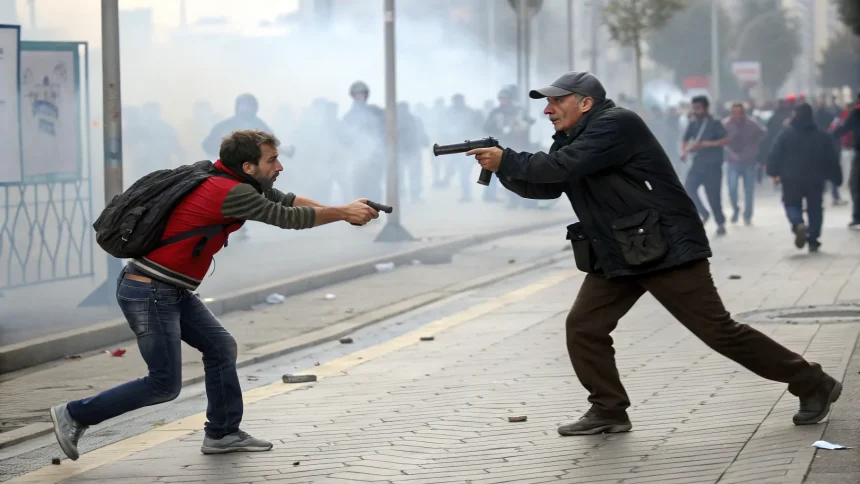
In a brief but vivid account, Ahmed al-Ahmed described stepping into danger to stop a gunman from taking more lives. He said his mind narrowed to a single goal as chaos unfolded and people fled for safety. His account adds a human face to the split-second choices that shape violent events and their aftermath.
Al-Ahmed spoke after a shooting in which he confronted the attacker at close range. He did not share many details, but his message was clear: action felt necessary. The incident highlights a larger debate about what civilians should do when gunfire erupts and how communities prepare for such moments.
“I didn’t worry about anything,” he told CBS News, “other than stopping the gunman from killing more people.”
Background: Civilian Response Under Fire
Active shooter incidents have become a recurring fear in the United States. Research groups that track gun violence report hundreds of mass shooting events each year. Federal agencies and local police have trained schools, workplaces, and venues to handle emergencies with simple guidance and regular drills.
Experts stress that every scene is different. Visibility, crowd size, exits, and the attacker’s location can change outcomes. Al-Ahmed’s account reflects the narrow window in which bystanders decide whether to run, hide, or confront. That choice can save lives but also carries grave risk.
What Officials Advise
Law enforcement training for civilians often centers on “Run, Hide, Fight.” Officials say most people should first try to escape and help others get out. If escape is not possible, they advise finding cover, locking doors, and silencing phones. Only as a last resort should a person confront the attacker.
- Run: Move away quickly and leave belongings behind.
- Hide: Lock or block doors, stay quiet, and spread out.
- Fight: Use surprise and teamwork if there is no other option.
Al-Ahmed’s decision falls into that last category. His words reflect the raw urgency that often drives such choices. Police often caution that intervention is dangerous and can lead to more harm if conditions are not right. But they also acknowledge that courageous acts have stopped attacks in the past.
Motives, Risk, and Split-Second Judgments
People who choose to intervene often describe the same thoughts. They focus on protecting others and accept personal risk. Al-Ahmed’s phrasing, stripped of fear, mirrors that mindset. It is not a tactic so much as a moral decision made under pressure.
Security trainers note that improvised tools, coordination with other bystanders, and surprise can matter. They also warn that misidentification is a danger once police arrive. Clear communication, empty hands, and following commands help responders sort the scene quickly.
Impact on Communities
Events like this leave deep marks on survivors and families. Counselors say trauma can surface days or weeks later. Employers and city leaders often set up support hotlines, therapy sessions, and memorials. These steps can help people process fear and grief and regain a sense of control.
Communities also review building layouts, door locks, and camera coverage. Hospitals assess surge capacity. Schools and businesses renew training. Each incident resets the clock on preparedness and response.
Data, Trends, and What We Know
Public databases show that violent events occur across many settings, from small towns to major cities. Most end within minutes, often before police can arrive. That timing shapes the advice given to the public.
Analysts say prevention still matters most. Early warning, threat reporting, and secure entry points can stop attacks before they begin. Training does not eliminate risk, but it can improve survival odds. The focus is on quick decisions, situational awareness, and simple steps that anyone can remember under stress.
A Single Voice, A Wider Conversation
Al-Ahmed’s account captures the clarity some people feel in a crisis. It also raises hard questions for others: Would they run, hide, or confront? There is no perfect answer, only choices made with limited information and little time.
His words add urgency to ongoing talks about safety plans, mental health support, and coordinated response. They also remind the public that bystanders are often the first line of defense, even as officials urge caution.
As communities continue to plan and train, the message is steady: prepare in advance, know the exits, and act fast. Individual courage can change outcomes, but preparation gives courage a better chance to work.