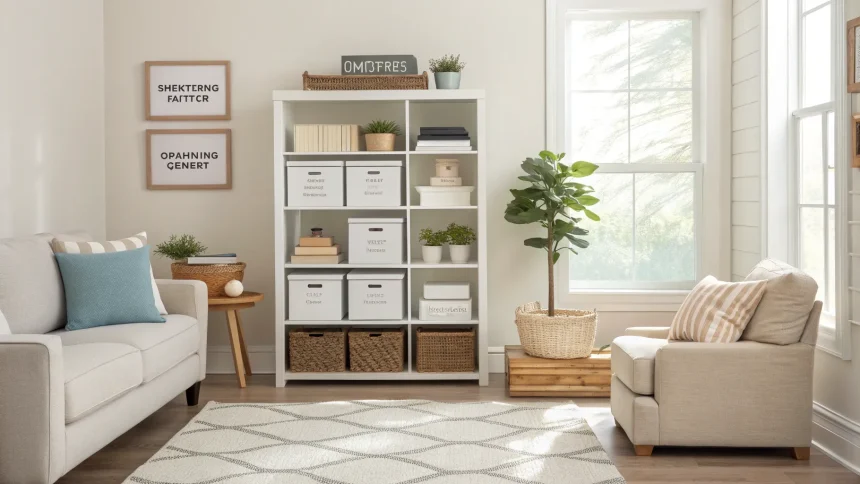
A four-step method for home organization is catching on, promising results that stick rather than fade with the next weekend clean-up. The approach, promoted by organizers and home influencers, centers on simple actions that can be used in any room. As families reset for a new year and inflation pushes people to buy less and use what they have, the draw is clear: fewer decisions, less stress, and tidier spaces.
“The secret to getting—and staying—organized lies in these four core steps. Learn how to apply this simple approach to any area of your home.”
Interest in home order surged during periods of remote work and has held steady as routines shifted again. Professional organizers say the biggest hurdle is not storage bins. It is decision fatigue. Short, repeatable steps help people act without overthinking, whether they live in a studio or a busy household with kids and pets.
Why Simplicity Works
Research on habits shows that small, consistent actions beat massive one-off efforts. Organizing follows the same pattern. Clear steps reduce mental load and increase follow-through. When people know what to do first, they start. When they know what to do next, they finish.
Parents often face a moving target: toys, school gear, and seasonal clothing. Renters deal with tight closets and strict rules. Students live out of boxes. A predictable method lowers the friction for all groups. It also cuts the guilt that comes from “I should be better at this,” and replaces it with “I can do step one today.”
The Four-Step Method
Organizers describe a practical flow that fits any space or budget. The steps are action-focused and repeatable.
- Assess: Pick a small zone and define its job.
- Edit: Remove trash, duplicates, and items that no longer serve you.
- Sort and Assign: Group what stays and give each group a clear home.
- Maintain: Set a simple routine to reset that zone daily or weekly.
The method narrows attention to one area at a time, which helps momentum. A single drawer can be a win. So can one shelf in the fridge. Boxes and labels are optional. Many households use what they already own: shoe boxes, jars, and baskets.
What Households Report
Families who use short sessions—15 to 20 minutes—report better results than those who wait for a free weekend. People with ADHD often find timed sprints and clear homes for items helpful. Parents say kids stick with routines when tools are simple: open bins for toys, hooks at kid height, and a visual chart for nightly resets.
Minimalists credit editing as the game-changer. Collectors value sorting and clear display zones. Both groups agree that maintenance is the quiet hero. Without it, even the best system slides back within weeks.
The Business of Getting Organized
The home-organizing market includes planners, apps, bins, and build-outs. Retailers promote seasonal storage, while subscription services offer coaching and check-ins. Yet experts caution against buying first. They advise testing a system with temporary containers before investing in anything custom.
Moving companies and donation centers also see the ripple effects. Editing reduces what gets packed. Clear categories boost donations of usable goods. Thrift shops and reuse networks benefit as items circulate rather than sit in closets.
Common Pitfalls—and How to Dodge Them
Perfection stalls progress. Waiting for the “right” containers can delay a needed clean-out. Start with a paper bag for discards and a box for donations. Another pitfall is tackling the hardest space first. Wins build confidence, so begin with an easy drawer.
Shared spaces need shared rules. A brief family meeting can set container limits, label styles, and reset times. For roommates, written agreements avoid silent frustration. Landlords may allow removable hooks or shelves, which expand options without risking deposits.
What Comes Next
The four-step method is spreading through social videos, workshops, and neighborhood swaps. Community centers host declutter days. Libraries run talks on editing and reuse. The push is practical and thrifty, which suits tighter budgets and smaller homes.
The message is simple and portable: pick a zone, follow the steps, and repeat. As one organizer put it, the process is a loop, not a one-time sprint. The next few months will show whether households keep resetting or slide back into old piles. For now, many are betting on small steps, done often, to keep the mess in check.