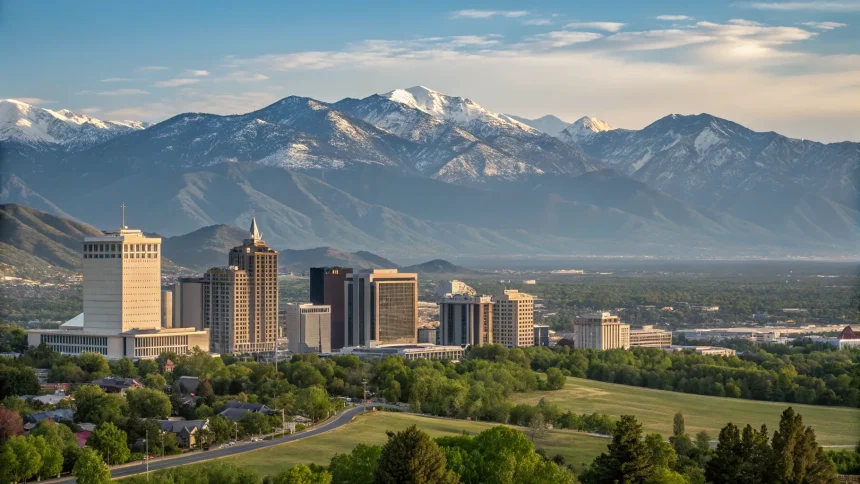
Salt Lake City’s postcard views have long sold the capital of Utah as a calm, livable hub at the foot of the Wasatch Mountains. Locals and visitors say the scenery is real, and so is the sense of calm. But city leaders and residents are juggling growth, air quality concerns, and the future of the Great Salt Lake as the region expands.
The city sits where major ski canyons meet a busy downtown. It is a gateway to national parks and a growing tech corridor. Officials are pursuing future Winter Games and planning for rapid population gains. The question is how to keep the “serene” part intact while everything else speeds up.
The Appeal That Draws People In
The capital of Utah is scenic and serene.
That simple line doubles as a civic slogan and a daily truth for many residents. Peak-filled horizons frame morning commutes. Trailheads start near neighborhoods. On a clear day, the lake glints in the distance and powder piles up in nearby resorts.
Tourism boosters point to short travel times from the airport to ski lifts and a lively downtown dining scene. Convention planners like the new airport and an expanding convention center. Workers come for jobs in healthcare, finance, and the growing startup scene.
Growth Pressures Test That Calm
With appeal comes pressure. The city’s population has climbed in recent years, and the metro area has spread into the suburbs. Apartment towers are rising around the rail lines. Side streets now juggle bikes, scooters, and delivery vans.
Housing costs have risen faster than wages for many renters. Longtime residents worry their kids can’t buy in the neighborhoods where they grew up. Planners say more mixed-income housing is in the pipeline, but permitting and construction take time.
- Infill projects are reshaping older corridors.
- Transit lines are adding capacity, but demand is growing faster.
- Zoning debates pit density advocates against single-family streets.
Air Quality And A Shrinking Lake
Winter inversions are the city’s least-loved season. Cold air traps pollution in the valley, turning views hazy and commutes into cough-filled slogs. Health groups have warned about spikes in particulate matter during these episodes. Summer wildfire smoke can add a second act.
The Great Salt Lake, a key part of the region’s identity, has faced historic lows in recent years. Scientists warn that exposed lakebed can send dust into neighborhoods, and the lake’s ecosystem is at risk. Lawmakers have funded conservation and pushed water savings, and heavy snow years have helped a bit. But experts say long-term water use and climate trends will decide the outcome.
Economy, Events, And The Outdoor Dividend
Economic boosters market a blend of city energy and quick outdoor access. Employers pitch trail runs at lunch and powder mornings followed by afternoon meetings. That pitch works. Companies keep moving in, and new graduates stick around.
Salt Lake City successfully hosted the 2002 Winter Olympics and is pursuing the 2034 Games as the preferred host identified by the IOC. Supporters argue the Games would drive transit upgrades, housing, and tourism dollars. Skeptics warn about cost overruns and short-term strain on services. City planners say they want Olympic spending to lock in projects the region needs anyway.
Can Serenity Survive Success?
Maintaining open space and access is central to the city’s promise. Trail systems are expanding, and canyons now have shuttle and parking plans to manage crowds. Downtown is adding pocket parks and trees to cool summer heat. Officials are betting that small, steady fixes keep daily life pleasant as the city grows.
Residents say they want two things at once: the energy of a bigger city and the quiet that first won them over. That means cleaner winter air, more homes near transit, and water policies that protect the lake. It also means sticking with the basics—plow the streets, keep trails open, and make buses frequent enough to skip the car.
What To Watch Next
The next few years will show whether the city can manage growth without losing what makes it special. Key markers include seasonal air readings, the level of the Great Salt Lake, and progress on affordable housing permits. Transportation upgrades tied to a possible Winter Games bid will also be a bellwether.
The view is still stunning. The charm is still there. If leaders match those assets with clear plans on housing, air, and water, “scenic and serene” can be more than a slogan—it can be a promise kept.