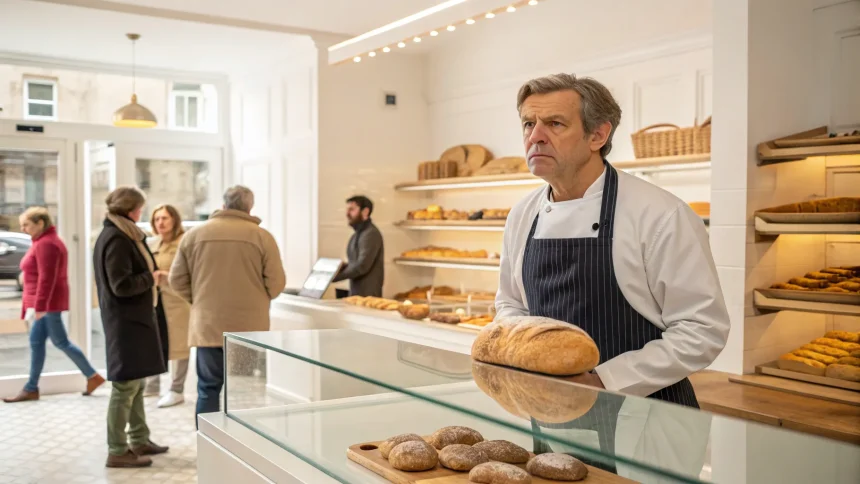
A British baker’s critique of Mexican bread lit up social media in recent days, drawing fierce responses and forcing a public apology. The comments, shared in a video viewed widely across platforms, questioned the quality and techniques used in popular Mexican baked goods. Within hours, users pushed back, citing heritage, flavor, and craft. The baker apologized, acknowledging the harm and pledging to learn more about the tradition.
A British baker’s critique of Mexican bread has sparked outrage on social media, leading to a public apology.
The Flashpoint
The friction began with a blunt review of Mexican breads, a staple in panaderías from Mexico City to Los Angeles. Viewers said the critique leaned on stereotypes and ignored the range of styles, from airy bolillos to sugar-topped conchas. Bakers and customers argued the video reduced a rich food culture to a single, harsh verdict.
As the clip spread, the response grew. Users posted photos of family recipes and bakery shelves. Some offered gentle corrections. Others were sharper, calling the remarks dismissive. Within the thread, many asked for respect, not approval.
Why It Hit a Nerve
Mexican bread is more than a sweet treat or a sandwich roll. It is a daily ritual. Conchas pair with morning coffee. Bolillos anchor tortas. Seasonal breads mark time and memory. Mexican cuisine earned UNESCO recognition in 2010 for its deep roots and community traditions. Bread sits inside that story.
Food fights online are not new. The UK saw a similar storm when “jerk rice” sparked criticism over the use of a Jamaican term. Debates over “authentic” pho, tacos, and curry have also flared. The pattern is familiar: a confident claim meets a community that lives the cuisine.
Voices From the Kitchen
Mexican bakers and fans argued that technique varies by region and recipe. A concha’s crackle depends on climate and flour. A bolillo crust can be thin or hearty. Sweet breads change with the season. The critique, they said, missed that range.
Some professional bakers weighed in with a teaching tone. They noted that pan dulce grew from European methods blended with local ingredients. Others urged patience and tasting across styles before judging. Many called for food criticism that checks bias as carefully as hydration levels in dough.
What Was Said, What Came Next
The apology focused on impact over intent. The baker said the remarks fell short and promised to consult experts before future reviews. That did not settle every comment thread, but it cooled the heat. A few users invited the baker to tour panaderías, to watch mixing, proofing, and baking on a busy morning.
Several Mexican bakery owners used the moment to introduce new customers to classics:
- Concha: A soft roll with a crunchy sugar shell.
- Bolillo: A small crusty roll for tortas.
- Pan de Muerto: A seasonal loaf for Day of the Dead.
- Rosca de Reyes: A king’s ring bread for January celebrations.
The Bigger Picture for Food Media
The episode raises a practical question: How should critics judge food from traditions not their own? Many readers asked for three basics—clear standards, cultural context, and humility. Taste is subjective, but sweeping claims travel fast online and can sting.
There is a business angle, too. Bakeries say social media commentary moves sales, up or down, by the day. A hasty review can hit small shops hard. On the flip side, thoughtful coverage can introduce customers to new flavors and support local makers.
What Comes Next
The apology opens a door for repair. Viewers suggested a follow-up video featuring Mexican bakers explaining their methods. Others asked for side-by-side tastings across regions. A few urged the baker to spotlight immigrant-owned panaderías.
The moment is a reminder that food is personal, public, and persuasive. Criticism has value, but context keeps it fair. If the promised learning happens on camera, the next review could turn a controversy into a tasting tour—and maybe a better conversation.
The key takeaway is simple: respect the craft, ask questions, and taste widely. Watch for collaborations, bakery visits, and deeper reporting on traditional techniques. That would move the story from outrage to understanding, with room on the table for everyone.