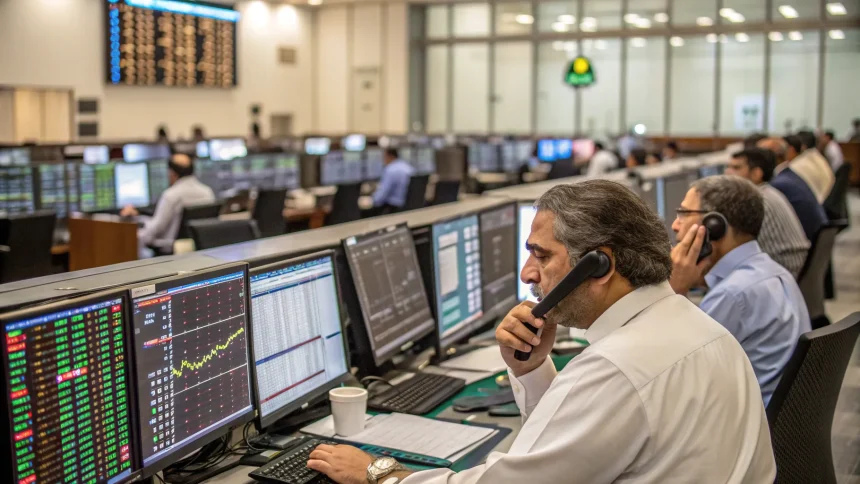
Stocks that swing the most by midday often set the tone for the rest of the session, drawing traders and long-term investors alike. On a typical trading day in New York, the biggest gainers and decliners stand out by early afternoon as new information hits the tape and liquidity shifts. These moves can reflect fresh earnings, economic data, or corporate headlines, and they can preview how the market may close.
Market watchers look for who is moving, what is driving the action, and why it matters now. They pay attention to where the moves are most intense, from technology to energy to small caps. Timing also matters, as volume and volatility follow a daily rhythm on Wall Street.
What Drives Midday Surges and Slides
Several recurring triggers often push stocks into the midday spotlight. Many companies release guidance or hold investor calls in the morning, with reactions peaking a few hours later. Economic reports at 10 a.m. Eastern Time, such as factory activity or home sales, can shift sentiment across entire sectors. Comments from Federal Reserve officials or fresh rate expectations can also send yields and equities moving in tandem.
- Earnings surprises and revised outlooks
- Regulatory actions, product news, or deal talk
- Sector read-through from peer results
- Bond yield moves that reset equity valuations
- Options flows or hedging into key strike prices
Intraday halts can amplify attention. When trading resumes, price gaps can be sharp as orders stack up. That effect can send a stock to the top of the leader or laggard board within minutes.
Why Midday Matters to Pros and the Public
Professional desks watch for confirmation. A name that rallies early and holds gains at noon can attract more buyers into the close. Weak rebounds or fading spikes often warn of second-half pressure. Retail investors, who may check markets on a lunch break, tend to see curated lists of the biggest movers. That helps explain why midday headlines often link to wider swings later.
Volume patterns play a role. Trading is usually heaviest at the open and close, with a lull in the middle of the day. Price moves that persist through that lull can carry more weight. A sustained push suggests conviction by larger holders rather than short-term churn.
What the Broadcasts Emphasize
“These are the stocks posting the largest moves midday.”
That familiar cue signals a quick scan of the session’s standouts. Coverage often pairs the list with reasons, such as a surprise profit, a guidance cut, a product recall, or an analyst upgrade. It may also point to sector-wide themes. For example, chipmakers might jump together on upbeat demand signals, while airlines could fall on higher fuel costs.
Analysts tend to highlight whether the move looks event-driven or part of a longer trend. A one-off legal ruling differs from a multi-quarter turnaround. Viewers also hear how options pricing, short interest, and liquidity could magnify moves into the close.
Reading the Signals Without Overreacting
Big midday advances can be head fakes. Price without volume can fade quickly. On the other hand, heavy trading with tight bid-ask spreads can point to real shifts in outlook. Investors often compare intraday highs and lows with prior support or resistance levels. That context helps separate noise from signal.
Risk management is central. Stop-loss orders and position sizing protect against sharp reversals. Long-term holders may use midday weakness in quality names to add at better prices, while traders look for momentum setups with clear exit plans.
Sector Themes and the Macro Backdrop
Sector rotation often shows up first in midday lists. Defensive groups such as utilities, consumer staples, and healthcare can lead on risk-off days. Cyclicals, including industrials and financials, tend to shine when growth hopes rise. Technology and communication services often sit at the center due to their weight in major indexes and their sensitivity to interest rates.
Macro currents shape the day’s moves. A cooler inflation print, a surprise in jobless claims, or shifting rate odds can send growth and value factors in opposite directions. Oil prices feed into energy stocks within minutes. Currency swings can hit exporters and multinationals.
What to Watch Into the Close
By early afternoon, traders map out the second half. They look for catalysts still to come, such as company events, bond auctions, or scheduled remarks from policy makers. They also monitor index rebalancing windows and the pickup in liquidity during the final hour, when many funds execute orders.
The tape often answers a key question: do the leaders keep leading? If the day’s biggest movers keep momentum into the last 30 minutes, that strength can carry into the next session. If they stall, it can hint at fatigue or profit taking.
Midday leaders and laggards are a snapshot of the market’s mood. They point to where narratives are changing and where risk is building. For investors, the lesson is steady: focus on the reason for the move, the quality of the evidence, and whether the trend can last. The next headline, data release, or earnings update can reset the board, but disciplined reading of midday action can turn noise into insight.