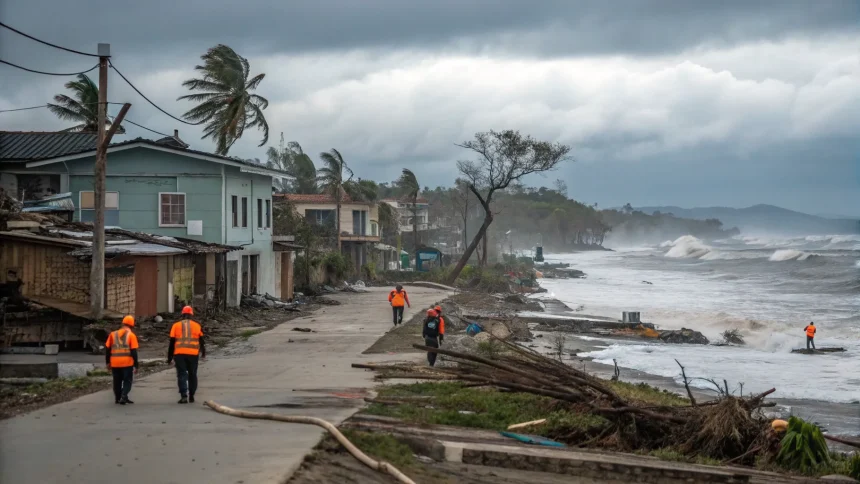
Typhoon Kalmaegi left a deadly toll in the Philippines and is now bearing down on Vietnam, setting off urgent rescue work and fresh storm warnings in two countries. Officials said at least 114 people died in the Philippines, with many more still unaccounted for, as the storm pushed west across the South China Sea. The path of destruction has forced evacuations, disrupted travel, and raised new questions about storm readiness in Southeast Asia.
“Typhoon Kalmaegi has killed at least 114 people in the Philippines and left even more people missing as it moved on to slam Vietnam.”
Kalmaegi arrived during the peak of the Pacific typhoon season, when coastal and low-lying areas across the region face the greatest danger. The Philippines, an island nation exposed to many storms each year, often suffers flooding, landslides, and power outages when systems like this one make landfall. Vietnam’s long coastline and river deltas face similar risks, especially in rural provinces with weaker infrastructure.
Rising Toll and Search Efforts
Authorities in the Philippines reported mounting casualties as crews reached cut-off towns. The storm’s heavy rain likely triggered landslides in hilly regions and flash floods in urban areas, where drainage systems can be overwhelmed. Emergency teams searched for the missing in remote villages and cleared blocked roads to bring in food, water, and medicine.
Hospitals prepared for a surge in patients with injuries from debris and flooding. Local officials often set up temporary shelters in schools and community halls. Those shelters provide basic support, but they can strain under the pressure when power and clean water are scarce.
Communities at Risk
The Philippines faces some of the highest storm exposure in the world, with several strong systems making landfall most years. Historic disasters, such as Super Typhoon Haiyan in 2013, reshaped national disaster planning and public awareness. Communities now receive earlier warnings and see more evacuation drills, yet the strength and rainfall of recent storms still test these systems.
In Vietnam, farmers, fishers, and factory workers along the coast often bear the brunt of typhoon impacts. Floods can destroy crops, halt processing plants, and damage homes built with light materials. River deltas, including areas near the Mekong, face added risk from storm surge and prolonged rain.
Government and Aid Response
Disaster agencies in both countries typically coordinate rescue teams, military units, and local volunteers when a major storm hits. Their immediate tasks include search and rescue, restoring power, and clearing roads. Aid groups often deliver clean water, hygiene kits, and tarps for emergency shelter.
Officials also aim to prevent disease outbreaks after floods. Standing water can lead to mosquito-borne illnesses, and damaged water systems make sanitation difficult. Vaccination campaigns, mobile clinics, and water purification units are standard responses during the first weeks.
- Search and rescue continue in affected Philippine provinces.
- Temporary shelters support evacuees with food and water.
- Vietnam has issued storm alerts and evacuation guidance in coastal areas.
What Comes Next for Vietnam
As Kalmaegi approaches, Vietnam’s coastal communities are bracing for high winds, heavy rain, and possible storm surge. Local authorities often close schools, suspend ferry services, and advise boat owners to return to port ahead of landfall. The timing and track of the storm will determine how inland provinces fare, especially those along major rivers that can flood days after the heaviest rain.
Forecasters warn that cascading risks may follow. Flooded roads can delay aid. Power cuts can disrupt health care and communications. Officials urge residents to follow evacuation orders and stay informed through local bulletins.
Storms in a Warming Climate
Scientists have found that a warmer atmosphere holds more moisture, which can lead to heavier rainfall during tropical cyclones. Rising seas can also make storm surge more dangerous, even when wind speeds are not extreme. These trends complicate disaster planning in nations with long coastlines and growing cities.
Experts urge investments in flood defenses, stronger building codes, and reliable early-warning systems. Elevating homes, improving drainage, and protecting mangroves can reduce damage. Community preparedness, including clear evacuation routes and family emergency plans, remains a key factor in saving lives.
Kalmaegi’s passage has brought grief to many families in the Philippines and anxiety to communities in Vietnam. The priority now is finding the missing, restoring essential services, and protecting people in the storm’s path. In the months ahead, both countries will review what worked and what failed as they prepare for the next storm. Stronger shelters, better communication, and targeted aid could limit future losses, even as the threat of severe weather grows.