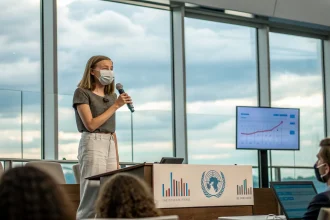
One simple line cut through the noise with unusual clarity: much of what needs to be told is not what audiences expect to hear. The comment came during a discussion about reporting hard truths at a time when people often prefer familiar headlines and neat arcs. The message was clear on the when and why: tell the tough stories now, and tell them because they challenge the easy version of events.
That idea has urgency. News avoidance is rising. Trust in media has slipped over the past decade across many countries, according to repeated surveys. Social feeds reward what is quick, catchy, and agreeable. Many beats—public health, climate, rural issues, labor, disability, community safety—often get reduced to sound bites. The result can be a gap between what readers expect and what communities need.
“Sometimes it’s important to tell stories even when, or especially when, they aren’t the stories we’re expecting.”
The Case for Telling the Hard Stuff
Chasing attention is tempting. It is also risky. When the spotlight stays fixed on the familiar, systems that are failing get ignored until they break in public. Reporters who center lived experience can surface pressure points early. Editors know this, yet time and budget push against it.
The single sentence above reads like a nudge to the entire chain: assignment, reporting, editing, and publishing. It suggests that surprises are not bugs in the process. They are signs you are getting closer to the truth.
The line also frames a test for audiences. Are readers willing to sit with stories that unsettle? That question matters as outlets try to rebuild trust. People can forgive bad predictions. They do not forgive being sold comfort as fact.
What “Not the Expected Story” Looks Like
“Unexpected” does not always mean dramatic. It often means precise. A city budget line that never made it into a thread. A small policy change that shifts who qualifies for help. A doctor who explains what “mild” really means for a long-term illness. These details change lives, but they rarely trend.
- Stories that challenge a popular myth or easy villain
- Quiet data points that contradict a loud claim
- Communities cast as symbols instead of people with needs
These pieces can feel slow. They ask for more reporting time and more care with language. They also tend to age better. When a storyline swings back later, the record exists.
The Audience Problem—and Opportunity
People are busy and overwhelmed. Many skim headlines while waiting in line. That does not mean they want fluff. It means newsrooms must meet them with clarity and respect. Short sentences help. So do tight visuals and clean framing.
Editors often test a pitch by asking, “Who needs this today?” That question keeps the work grounded. If the answer is “people who will be affected next month,” that is still news. It is service. It sets expectations early, not after harm lands.
There is also a social effect. When readers see their real concerns reflected—rent, water, school buses, clinic wait times—they come back. Trust grows when coverage matches daily life, not just daily trends.
Risks, Checks, and Better Habits
Telling unexpected stories is not a license to shock. It is a call to verify. More sources, clearer sourcing, and honest limits build credibility. If something is uncertain, say so. If data does not exist, say that too.
Good practices include:
- Interviewing people directly affected, not only spokespeople
- Publishing source documents where possible
- Explaining methods in plain language
- Flagging what will be followed up, and when
These steps make tough stories easier to trust, even when they puncture a shared assumption.
Why This Matters Now
Polarized conversations reward certainty, even when the facts are complex. That is where careful reporting earns its keep. It gives readers the tools to make choices without being nudged by hype. It also reduces the swing between panic and apathy.
News that resists the expected can widen the frame. It asks who is missing, who pays, and who decides. It also pushes back against narratives built for clicks more than for clarity.
The line that started this piece carries a simple charge. Tell the story that is true, even if it is not tidy. Especially then. The next season brings elections, budget fights, and local issues that will touch daily life. The reporting that matters will not always look familiar. Readers should expect to be surprised—and informed—by what comes next.