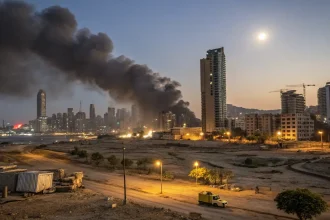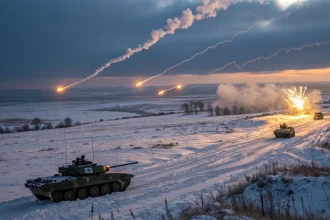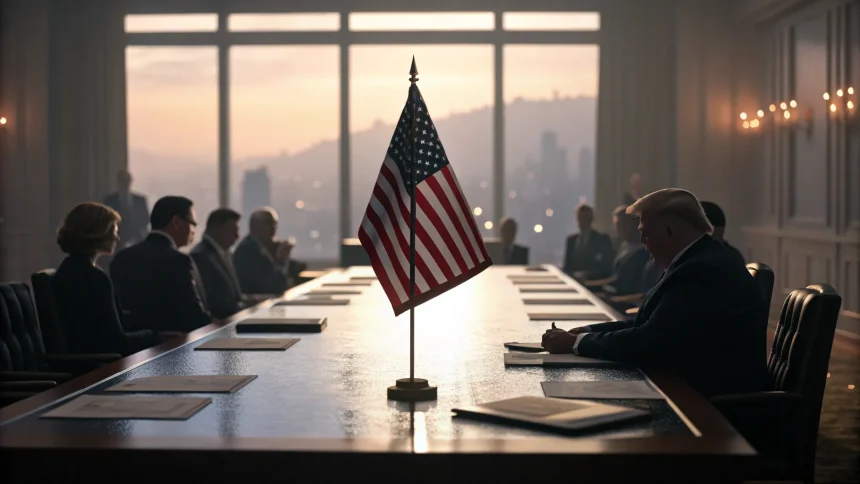
In a rare move against an international court, President Donald Trump imposed sanctions on nine staff members, including six judges and the chief prosecutor, for pursuing cases involving U.S. and Israeli officials. The decision targets figures at the International Criminal Court in The Hague and signals a hard line against probes that could reach American personnel or close allies. The action has drawn swift legal and diplomatic scrutiny as governments and rights advocates assess the fallout.
“Nine staff members, including six judges and the court’s chief prosecutor, have been sanctioned by President Donald Trump for pursuing investigations into U.S. and Israeli officials.”
Why the Court Is in Washington’s Crosshairs
The ICC investigates war crimes, crimes against humanity, and genocide when national courts are unwilling or unable to act. The United States is not a party to the Rome Statute that created the court. For years, U.S. officials have argued the ICC should not assert jurisdiction over citizens of states that never joined.
Tensions have grown as prosecutors examined conduct linked to conflicts where American or Israeli actors could face scrutiny. Both governments argue they have strong systems to address misconduct at home and say external prosecutions would violate sovereignty.
What the Sanctions Could Mean
Sanctions can restrict travel and access to the U.S. financial system. They can also chill cooperation, as banks and companies weigh risks. Applied to judges and a chief prosecutor, they raise legal questions about targeting judicial officers carrying out court mandates.
Supporters of the move say it protects troops, diplomats, and intelligence personnel from politically driven cases. They also claim it shields allied officials from actions they view as unfair. Critics counter that sanctions against judges set a troubling precedent and could pressure independent legal processes.
- Supporters: Protect sovereignty and service members.
- Opponents: Threat to judicial independence and rule of law.
- Uncertain effect: May deter witnesses, cooperation, and funding.
Voices and Reactions
Legal scholars note that governments often dispute jurisdiction, but direct sanctions on sitting judges are unusual. Allies that work with the ICC may push back, fearing wider damage to multilateral justice efforts.
Rights advocates warn that targeting court officials could discourage future investigations into mass atrocities. They argue that victims rely on the ICC when local courts fail. Some analysts caution that the step may deepen rifts with European partners that support the court.
Administration defenders respond that the ICC lacks democratic accountability and risks overreach. They argue that domestic courts remain the proper venue for addressing alleged abuses by U.S. and Israeli personnel.
Potential Impact on Ongoing Cases
The practical effects could include hesitancy among witnesses and experts who work with the court. Sanctioned officials may face limits in travel, banking, and coordination with states wary of secondary penalties.
The court’s work is designed to be resilient, with cases handled by multiple chambers and teams. Yet pressure on top officials can slow decisions and complicate outreach to governments.
What to Watch Next
Key questions now concern how other governments respond. Strong backing from European states could blunt the impact and give the court room to continue its work. Silence or split reactions might encourage further pressure.
The move could also shape future U.S. policy. A later administration might revisit the sanctions or adjust them. That uncertainty affects judges, prosecutors, and victims who have waited years for decisions.
If the sanctions remain, cooperation between the U.S. and the court is likely to shrink. That could affect information sharing in cases unrelated to U.S. or Israeli interests, including atrocity investigations in other regions.
The sanctions on nine ICC staff members mark a sharp escalation in long-running tensions between Washington and The Hague. Supporters call it a defense of sovereignty; critics see a blow to judicial independence. The next phase will hinge on allied reactions, court resilience, and whether the U.S. adjusts or expands the measures. Observers will be watching for legal challenges, diplomatic pushback, and any effects on ongoing war crimes cases.